Holiday choice: eyes closed, finger lands on western Europe map
Travel
A chance encounter with a flock of sheep in a remote French mountain hamlet became the unexpected highlight of a trip planned without any online research. Frustrated by algorithm-driven holiday inspiration, one traveller and their partner abandoned the search bar and let a random finger-point on a map of western Europe determine their destination.
Leaving the Algorithm Behind
The pair had booked inexpensive Eurostar tickets to Paris months in advance, planning to arrange the next leg by rail. But as departure neared, social media feeds seemed saturated with polished yet interchangeable holiday images, and TikTok posts kept promising "hidden" destinations already discovered by millions. Ratings and reviews offer reassurance, particularly when holiday time is limited, and the search bar provides confidence that money is being spent wisely. Yet working in a field driven by data and optimisation prompted a nagging question: had the adventure been optimised out of the holiday itself? So the couple shut their browser tabs and opened a map instead. Eyes closed, they agreed to travel wherever a pointed finger landed. After a deep breath, the finger came down on Saint-Hilaire-de-Lavit in the Cévennes — a commune they had never heard of and would almost certainly never have found through a search for places to visit in France. A Hamlet Above the Clouds
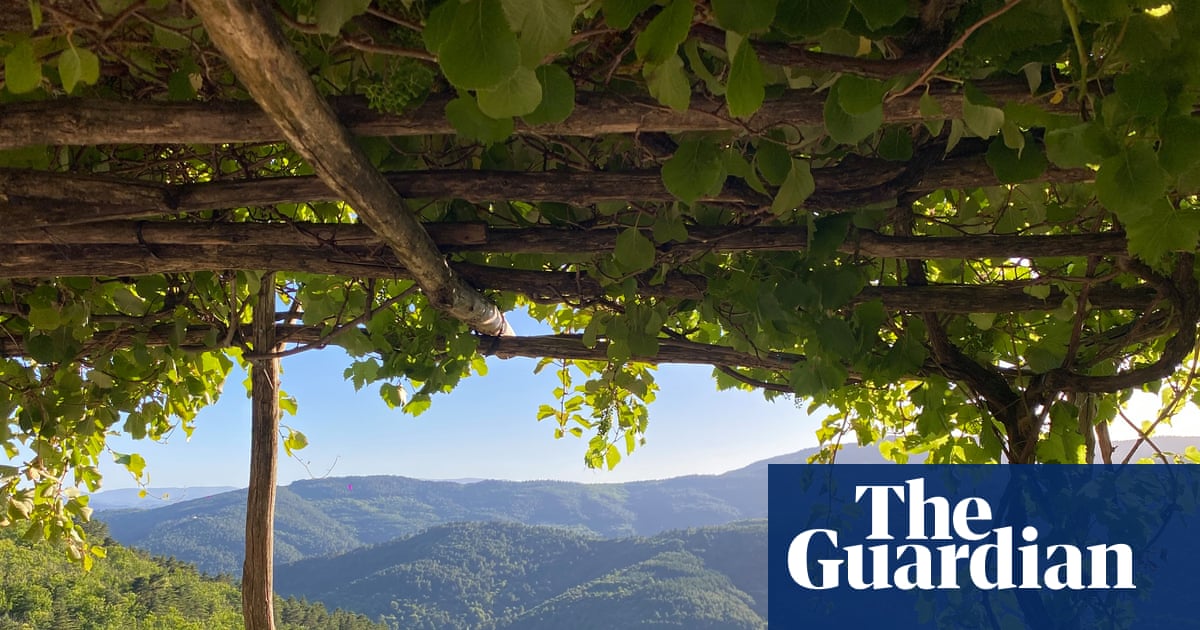
Following an overnight stay in Paris, a three-hour fast train carried them to Montpellier, where they hired a car. A Lidl on the city's edge supplied provisions for the entire trip, since no shops were expected at their final destination. The roads narrowed and emptied as they climbed and zigzagged into the south-east corner of the Massif Central, far from the tourist honeypots that algorithms typically serve up. With no phone signal for Google Maps, the pair relied on the cottage owner's directions. They pulled into a grassy layby on a high mountain pass, one other car parked nearby, unsure whether they had arrived. Stepping out into the fresh, cool air, they noticed the quiet first: no traffic, no tourists, just stillness. Yet the languid buzz of large insects and the whirring chorus of cicadas confirmed the place was alive. Squinting into the low sun, they saw a figure waving — their host, Guilaine, who had appeared as if by magic to beckon them toward the cottage. They had reached the hamlet of Les Ayres: roughly 10 stone buildings clustered 800 metres above sea level. The rough-walled dwellings pressed against either side of the narrow road, occupying the last strip of level ground before the mountain's spine dropped into steep forest. A shuttered building with a long wooden awning and outdoor tables hinted at a former cafe, though its only potential customers appeared to be the visitors and Guilaine herself. At the back of their accommodation, a veranda overlooked chestnut- and pine-clad mountains rolling to the horizon — a landscape that looks wild but has in fact been shaped by farming, forestry and seasonal livestock movement over thousands of years. Ancient Paths and Hidden Pools
Watching the sheep and their guardians settle into the shade the next morning, the writer felt the age of the place. Shepherds had likely driven flocks along the same route and rested beneath the same chestnut trees for centuries. Traditional farming endures here partly because crystal-clear mountain streams vein the area, keeping animals on the move never far from water. Rather than consulting the internet, the couple let these ancient tracks, called drailles, guide their hikes. Daylong expeditions passed without encountering another person or hearing a car. The forests shielded them from the fiercest sun, but the first trek's real reward came when a sound mistaken for wind in the pines turned out to be water rushing through a narrow gorge below. A few more switchbacks brought them to a deep, clear pool where the stream had carved a corner into the rock. Dappled sunlight filtered through trees clinging to the steep valley sides, casting spotlights for damselflies. They picnicked and swam in the freezing water, picking wild strawberries from the bank for dessert. Such shady, secluded pools awaited on every path leading down from the cottage. Beyond serving as ideal mid-hike refreshment stops, they teemed with life: tadpoles in the shallows, fish in the depths, and butterflies, dragonflies and other insects skimming the surface. The couple even spotted a snake swimming across water they had been submerged in minutes earlier. Their final afternoon was spent reading on a rock, gathering energy for the climb back up the mountain — one drawback of staying high on a pass. They watched the sun swing over the water and the light shift as the day wore on, then worked their way back toward the cottage as the air cooled.← Back to Travel